
The club’s ongoing conservation effort has produced dozens of thriving common milkweed plants, providing vital habitat for monarch butterflies and encouraging the community to help protect the species
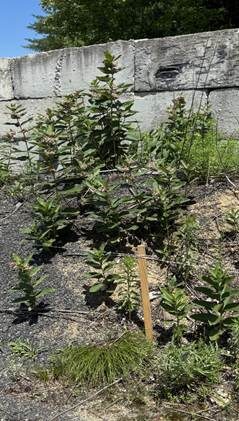
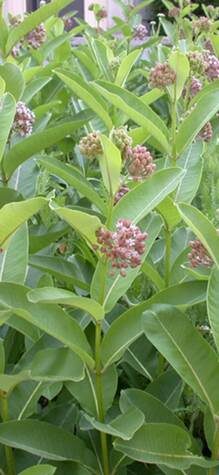
Reading, MA — In October of 2025, the Reading Rifle and Pistol Club made an effort to cultivate dozens of milkweed plants. The aim was to provide migrating monarch butterflies with their only host plant they can use for food and for laying eggs on, the ASCLEPIAS SYRIACA, also known as Common Milkweed.
The club is pleased to announce that we have dozens of plants and many have monarch eggs and small caterpillars. Club members have made an effort to assist the monarch population by bringing home the fledgling monarchs and providing a nursery for them. The caterpillars will eventually go into a chrysalis stage where the final transformation to a butterfly will occur. At that time, the monarch is released and will hopefully strengthen the dwindling population.
You have seen this plant growing in areas of disturbed soil, along highways and roads, and in your own backyard. It’s able to thrive in the least hospitable soil, including sand dunes and rocky soil that nothing else will grow in. After it sends a tap root deep into the ground, it is a tough perennial plant that can survive drought.
This plant is easily identified by its alternating leaf position. Each new leaf on the stem is directly opposite another, and newer leaves will be at a 90-degree angle from the leaves just below. At this time of year, you’ll notice a flower cluster at the top of the plant.
The monarchs will lay eggs on the bottom of the leaves, and the eggs are very small, usually only as large as a period at the end of a typical newsprint sentence. Monarch caterpillars will then hatch and begin eating the leaves that are so toxic that most other insects will totally avoid them. As the caterpillars eat the leaves, they ingest the milky toxins with no difficulty, and birds will quickly learn to leave these caterpillars alone.
To learn more about supporting the monarchs, use the following sites:
US Forest Service www.fs.usda.gov
Xerces.org An international nonprofit organization
Monarch Watch www.monarchwatch.org Get free milkweed seeds!
These sites are not associated with the club and are for reference only